Our Platforms
Founded in 2011, the Aging & Social Change Research Network examines aging as both a personal journey and a structural condition that defines modern societies. It explores how longevity, care, and participation intersect with equality, identity, and innovation. By linking empirical research and critical theory, it supports approaches that recognize aging not only as a stage of life but as a social process shaping the future of communities worldwide. Over time, the Network has become a global forum where researchers, practitioners, and policymakers engage with the social, cultural, economic, and policy dimensions of aging.
Annual Conference
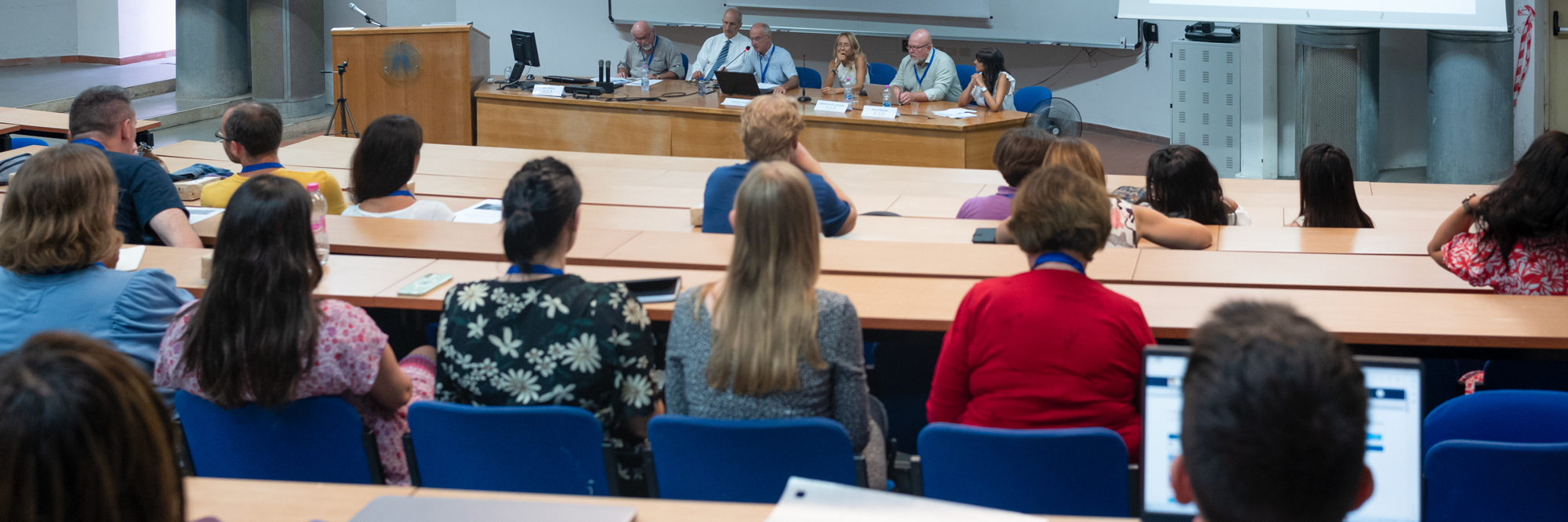
The International Conference on Aging & Social Change convenes annually with a leading host institution. Recent and upcoming partners include the Polytechnic University of Marche (Italy), Jagiellonian University (Poland), the University of Vienna (Austria), the University of Galway (Ireland), and Linköping University (Sweden). Each edition features a Special Focus theme that reflects emerging debates—from wellbeing and care to migration, technology, and intergenerational exchange—providing a space for dialogue across disciplines, sectors, and regions.
Journal
The Journal of Aging and Social Change publishes peer-reviewed research on the intersection of aging, social structures, and public policy from comparative and global perspectives. Established in 2018, the journal upholds a rigorous double-anonymous, rubric-guided review process and welcomes submissions in critical gerontology, cultural studies, health policy, and life course research. Editorial feedback emphasizes conceptual clarity, methodological rigor, and relevance for both scholarly and practitioner audiences, and the journal maintains pathways from conference presentations to fully developed, peer-reviewed publications.
Book Imprint
The Aging & Social Change Book Imprint extends these conversations through monographs and edited collections that bridge academic analysis and practice—from architecture and design for aging to care ethics, digital technologies, workforce issues, and social innovation. Volumes document how aging populations reshape institutions, communities, and everyday life, translating research into frameworks for policymakers, service providers, advocates, and designers.
Online Member Knowledge Community
The Aging & Social Change Research Network’s Member Knowledge Community on CGScholar is a year-round hub for members—keeping profiles, projects, and conversations in motion. Built for collaboration, it offers a multimodal authoring environment with light, community-guided review to strengthen clarity, purpose, and reader context before sharing. Works in progress sit alongside programs, recordings, and calls, connecting conference contributions with our journal and book imprint, and opening structured pathways for ongoing participation and publication across care, policy, participation, design, and social change in aging societies.
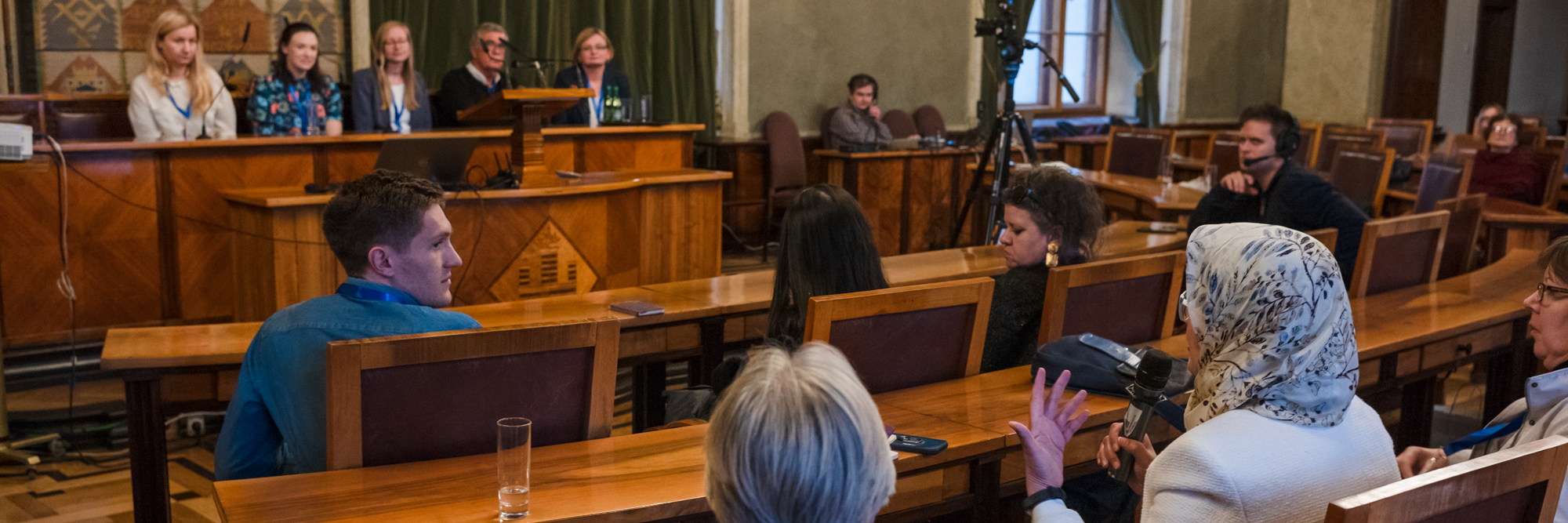
Aging & Social Change: Twelfth Interdisciplinary Conference, Jagiellonian University, Krakow, Poland (2022)